Foot or ankle pain can negatively affect your day-to-day life and can occur due to several different conditions. Pain can also be an indicator of a more serious underlying condition, which is why you should seek professional help as soon as you notice any abnormalities in your feet.
There are many people that enjoy running as a hobby, stress reliever, or possibly to accomplish a personal goal. Rehabilitation or extensive healing times may be avoided when proper techniques that can prevent running injuries are practiced. These can include developing a focused attitude, and increasing physical strength, which may help to increase stamina. Additionally, many people find it beneficial to follow a professional training program. The legs may feel better when a foam roller is used, which may help to protect the joints. If you would like more information about how running injuries can affect the feet and how to possibly prevent them, it is suggested that you consult with a podiatrist.
All runners should take extra precaution when trying to avoid injury. If you have any concerns about your feet, contact Landon Bowerbank, DPM of Pioneer Foot and Ankle. our doctor will treat your foot and ankle needs.
How to Prevent Running Injuries
There are a lot of mistakes a runner can make prior to a workout that can induce injury. A lot of athletes tend to overstretch before running, instead of saving those workouts for a post-run routine. Deep lunges and hand-to-toe hamstring pulls should be performed after a workout instead of during a warmup. Another common mistake is jumping into an intense routine before your body is physically prepared for it. You should try to ease your way into long-distance running instead of forcing yourself to rush into it.
More Tips for Preventing Injury
Incorporate Strength Training into Workouts - This will help improve the body’s overall athleticism
Improve and Maintain Your Flexibility – Stretching everyday will help improve overall performance
“Warm Up” Before Running and “Cool Down” Afterward – A warm up of 5-10 minutes helps get rid of lactic acid in the muscles and prevents delayed muscle soreness
Cross-Training is Crucial
Wear Proper Running Shoes
Have a Formal Gait Analysis – Poor biomechanics can easily cause injury
If you have any questions, please feel free to contact our office located in Lehi, UT. We offer the newest diagnostic and treatment technologies for all your foot care needs.
A foot corn is a thickened area of skin that forms in response to pressure or friction, usually on the toes or sides of the feet. Corns often develop from mechanical stress caused by ill-fitting shoes that rub against the skin or from abnormal foot structure that creates uneven pressure during walking. Symptoms include a hardened bump, tenderness, and pain while wearing shoes or standing for long periods of time. A podiatrist can identify the underlying cause, safely remove the corn, correct mechanical issues, and recommend proper footwear or custom inserts to prevent it from returning. Corns can be painful. If you have developed a painful corn, it is suggested that you consult a podiatrist who can offer effective relief and prevention tips.
Corns can make walking very painful and should be treated immediately. If you have questions regarding your feet and ankles, contact Landon Bowerbank, DPM of Pioneer Foot and Ankle. our doctor will treat your foot and ankle needs.
Corns: What Are They? And How Do You Get Rid of Them? Corns are thickened areas on the skin that can become painful. They are caused by excessive pressure and friction on the skin. Corns press into the deeper layers of the skin and are usually round in shape.
Ways to Prevent Corns There are many ways to get rid of painful corns such as:
Wearing properly fitting shoes that have been measured by a professional
Wearing shoes that are not sharply pointed or have high heels
Wearing only shoes that offer support
Treating Corns
Although most corns slowly disappear when the friction or pressure stops, this isn’t always the case. Consult with your podiatrist to determine the best treatment option for your case of corns.
If you have any questions, please feel free to contact our office located in Lehi, UT. We offer the newest diagnostic and treatment technologies for all your foot care needs.
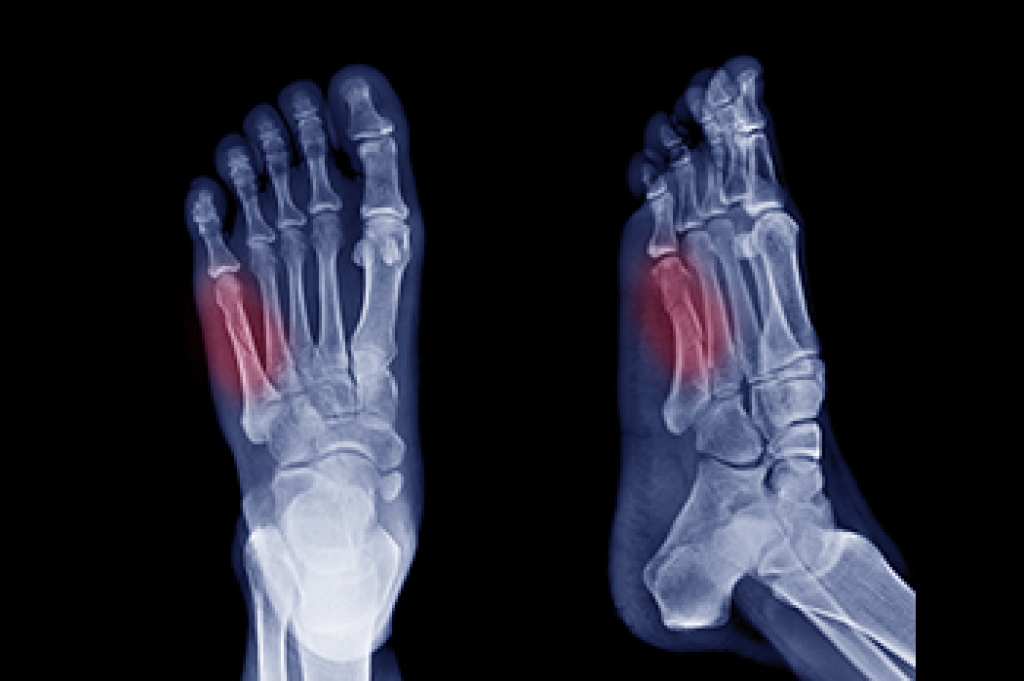
Pain on the outer side of the foot can sometimes signal an avulsion fracture, also called a pseudo Jones fracture. This type of injury affects the base of the fifth metatarsal, which is the long bone below the pinky toe. The fracture happens when a tendon pulls a small piece of bone away from its attachment. The injury can occur after a sudden twist, roll, or direct impact to the ankle or foot. People typically notice sharp pain, swelling, and tenderness near the outer edge of the foot, making walking or bearing weight difficult. Because this fracture can be mistaken for a sprain or a more serious type of fracture, an accurate diagnosis is important. A podiatrist can perform an exam, order X-rays, and recommend the best course of treatment, including immobilization or, in some cases, surgery. If you are experiencing outer foot pain, it is suggested that you make an appointment with a podiatrist for a diagnosis and treatment.
A broken foot requires immediate medical attention and treatment. If you need your feet checked, contact Landon Bowerbank, DPM from Pioneer Foot and Ankle. our doctor can provide the care you need to keep you pain-free and on your feet.
Broken Foot Causes, Symptoms, and Treatment
A broken foot is caused by one of the bones in the foot typically breaking when bended, crushed, or stretched beyond its natural capabilities. Usually the location of the fracture indicates how the break occurred, whether it was through an object, fall, or any other type of injury.
Common Symptoms of Broken Feet:
Bruising
Pain
Redness
Swelling
Blue in color
Numbness
Cold
Misshapen
Cuts
Deformities
Those that suspect they have a broken foot shoot seek urgent medical attention where a medical professional could diagnose the severity.
Treatment for broken bones varies depending on the cause, severity and location. Some will require the use of splints, casts or crutches while others could even involve surgery to repair the broken bones. Personal care includes the use of ice and keeping the foot stabilized and elevated.
If you have any questions, please feel free to contact our office located in Lehi, UT. We offer the newest diagnostic and treatment technologies for all your foot care needs.
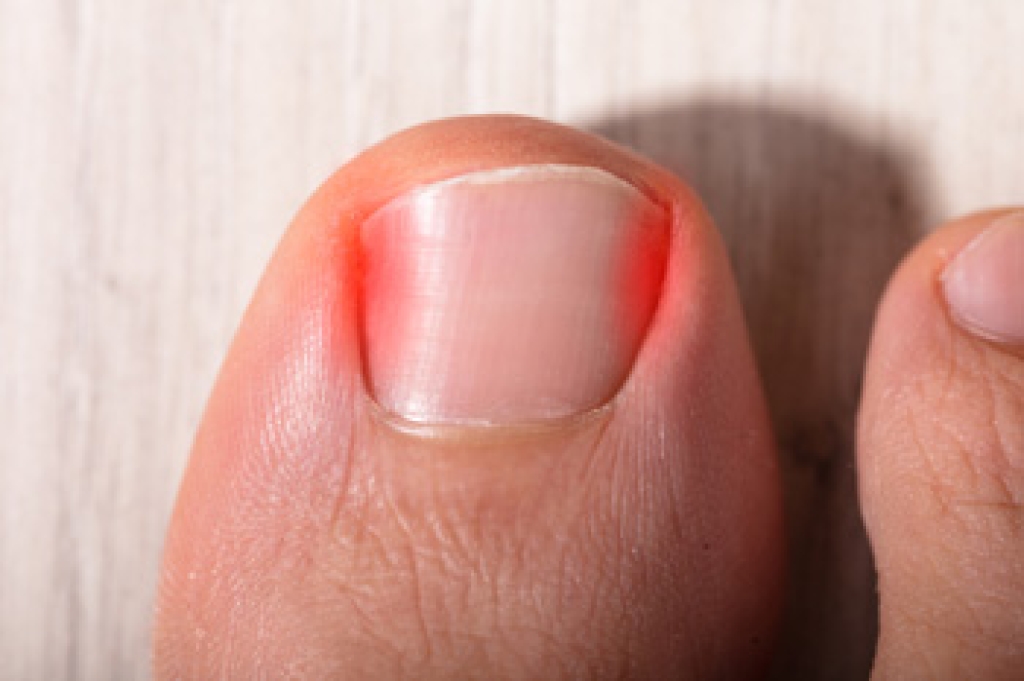
Ingrown toenails occur when the edge of the nail grows into the surrounding skin, causing pain, redness, and swelling. If left untreated, the area can become infected and make walking uncomfortable. Podiatrists are specially trained to manage this condition safely and effectively. Treatment depends on the severity of the problem. In mild cases, the nail edge may be gently lifted and trimmed to relieve pressure. For more advanced or recurring cases, a minor in-office procedure may be performed to remove a small part of the nail or the underlying nail root to prevent regrowth in that area. Proper cleaning, antibiotic care, and protective bandaging help the toe heal quickly. A podiatrist also provides guidance on trimming techniques and footwear to reduce future problems. If you have a painful ingrown toenail, it is suggested that you seek prompt professional care from a podiatrist who can help restore comfort and prevent further complications.
Ingrown toenails can become painful if they are not treated properly. For more information about ingrown toenails, contact Landon Bowerbank, DPM of Pioneer Foot and Ankle. our doctor can provide the care you need to keep you pain-free and on your feet.
Ingrown Toenails
Ingrown toenails occur when a toenail grows sideways into the bed of the nail, causing pain, swelling, and possibly infection.
Causes
Bacterial infections
Improper nail cutting such as cutting it too short or not straight across
Trauma to the toe, such as stubbing, which causes the nail to grow back irregularly
Ill-fitting shoes that bunch the toes too close together
Genetic predisposition
Prevention
Wearing proper fitting shoes and using proper cutting techniques will also help decrease your risk of developing ingrown toenails.
Treatment
Ingrown toenails are a very treatable foot condition. In minor cases, soaking the affected area in salt or antibacterial soaps will not only help with the ingrown nail itself, but also help prevent any infections from occurring. In more severe cases, surgery is an option. In either case, speaking to your podiatrist about this condition will help you get a better understanding of specific treatment options that are right for you.
If you have any questions, please feel free to contact our office located in Lehi, UT. We offer the newest diagnostic and treatment technologies for all your foot care needs.